

LLM-Written Currency Code Rarely Checks Rate Freshness
Real-Time Exchange Rate Data Validation
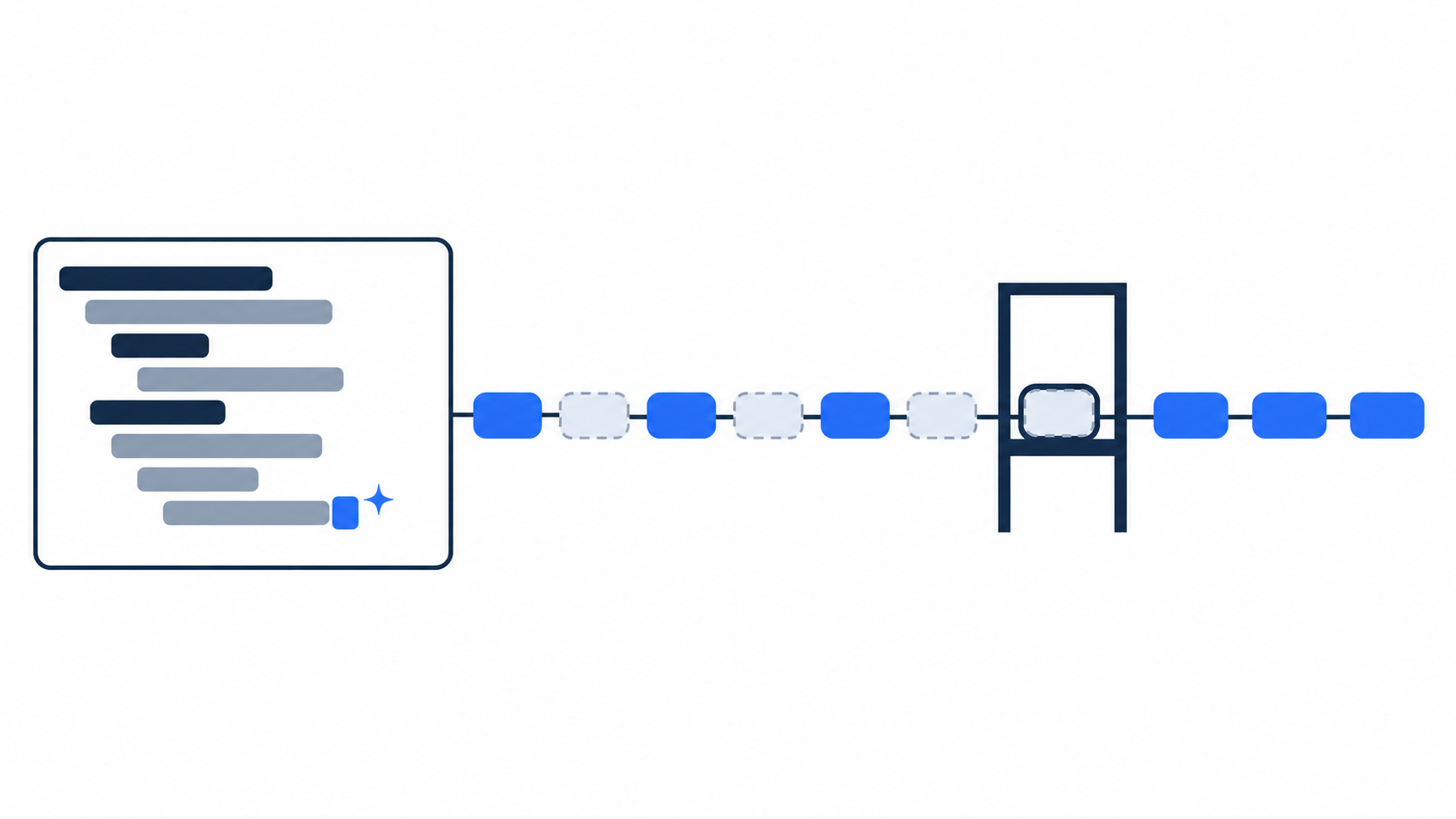
A rate nobody checks looks just as current a week later. Exchangeratesapi dates every rate it returns, so code can refuse a stale one before it prices anything.
Checking exchange rate freshness is essential for reliable currency conversions. Developers can use timestamps to detect stale data and prevent outdated rates from affecting financial calculations.”
AUSTIN, TX, UNITED STATES, October 30, 2026 /EINPresswire.com/ -- A typical AI-generated currency converter calls a rate service, reads the rates, and returns a number. The rest of the response goes unused, including the fields that say how old the rate is.— APILayer
That gap stays hidden while everything works. It shows up when something fails quietly. A cache never expires. A request fails and the code falls back to the last stored rate. The job that refreshes stored rates stops running. In each case the code converts at a rate it cannot date, and the result looks as current as any other number on the page.
Every Exchangeratesapi response states how old its rates are. It carries the date the rates were collected and the exact time, as a Unix timestamp.
Checking that age takes one comparison. Subtract the timestamp from the current time, and refuse to price anything when the result is over the limit or the request failed.
The limit depends on the use case and the plan. A checkout page and a monthly report need different limits, and rates update daily, every hour, every 10 minutes or every 60 seconds, depending on the plan. Set the limit above the plan's update interval, or the check fails in the minutes before each update.
An AI coding assistant writes this check when the prompt asks for it. One rule in the project's instructions file puts that request in every prompt:
Every exchange rate comes from Exchangeratesapi at runtime. Check the response's timestamp against a maximum age before using a rate, and throw an error when the rate is too old or the request fails.
Exchangeratesapi covers more than 170 world currencies, draws on more than 15 exchange rate sources, and keeps records back to 1999. This exchange rate API helps developers access current and historical currency data for their applications. It works alongside the rest of the APILayer suite. IPstack turns a visitor's IP address into geolocation, including the local currency code, and Exchangeratesapi turns that code into a rate. IPstack also ships a Model Context Protocol (MCP) server that AI assistants and agents can call directly, and more MCP servers across the suite are coming.
Developers can test Exchangeratesapi on the free plan at https://exchangeratesapi.io/.
About APILayer
APILayer runs a suite of APIs for developers, including IPstack, Weatherstack, Userstack, Exchangeratesapi, Currencylayer, Aviationstack and Marketstack.
Emiliano Trozzi
APIlayer
+1 512-226-8080
marketing@apilayer.com
Visit us on social media:
LinkedIn
Instagram
Facebook
YouTube
X
Other
Legal Disclaimer:
EIN Presswire provides this news content "as is" without warranty of any kind. We do not accept any responsibility or liability for the accuracy, content, images, videos, licenses, completeness, legality, or reliability of the information contained in this article. If you have any complaints or copyright issues related to this article, kindly contact the author above.
