

Port Conditions Diverged Sharply Across Regions and Seasons in 2025
VesselBot logo
VesselBot report documents sharp divergence in port performance across regions, vessel sizes, and seasons throughout 2025. Based on 6,393 vessels, 660 ports.
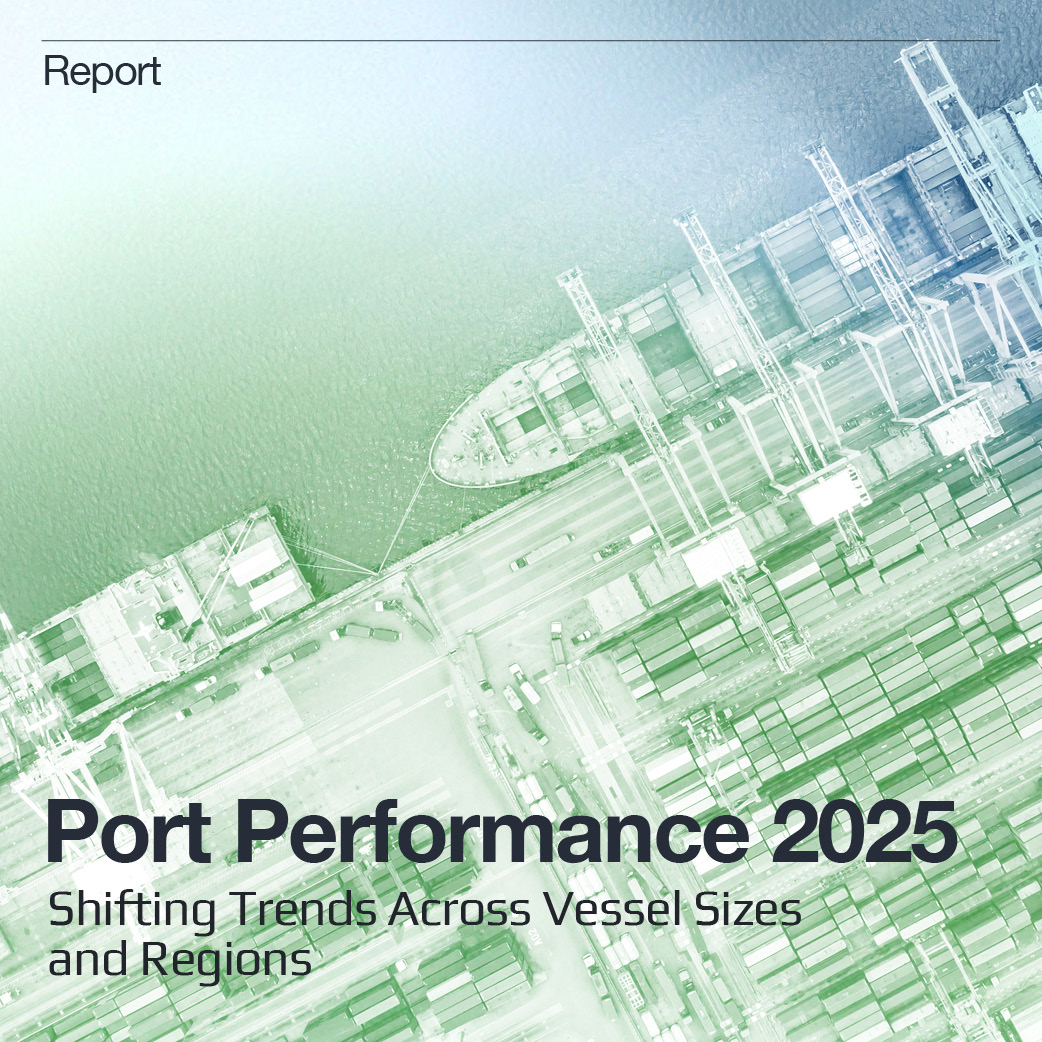
ATHENS, GREECE, March 24, 2026 /EINPresswire.com/ -- VesselBot has released a new report, “Port Performance in 2025: Shifting Trends Across Vessel Sizes and Regions,” showing that global port performance is becoming increasingly fragmented, as regions, vessel types, and seasons diverge, raising new challenges for logistics planning and supply chain reliability.
Based on data from 660 container terminals worldwide and 6,393 container vessels, the report shows that anchorage times, port call duration, and emissions exposure are diverging sharply by region, season, and vessel type. While vessels spent an average of 7 hours at anchorage per call in 2025, that ranged from 6.2 hours in July to 8.4 hours in December, and from 5.7 hours in Northern Europe to 10.5 hours in the Mediterranean.
Year-over-year trends highlight further fragmentation: anchorage times rose 32.9% in the Mediterranean and 39% in Northern Europe in Q4, while the U.S. West Coast was the only major region to improve overall port efficiency.
The report also shows how vessel size reshapes port dynamics. Feeder vessels averaged 7.7 hours at anchorage and 16.4 hours at berth per port call. Very Large Container Ships averaged 3.9 hours at anchorage and 34.2 hours at berth. Anchorage time and berth time move in opposite directions as vessel size increases, creating structurally different cost and emissions profiles across the fleet.
With total port call emissions across the tracked fleet exceeding 12 million tons of CO₂e in 2025, with 22% emitted at anchorage and 78% at berth, the findings underline how operational inefficiencies translate into environmental impact.
“Port performance is no longer a static benchmark; it’s a moving target,” said Constantine Komodromos, CEO and Founder of VesselBot. “Organizations relying on past-year or quarterly port data are making routing, scheduling, and cost decisions on information that no longer reflects reality. With real-time visibility, logistics teams can plan freight transportation more efficiently, respond to disruptions as they happen, and implement alternative strategies before delays escalate.”
Global disruptions, including extreme weather events, labor strikes, and geopolitical tensions, are driving increasing fragmentation in ports’ performance. This shift is creating a need for high-frequency data, enabling logistics professionals to make real-time decisions on routing, scheduling, and risk management.
The full report is available here.
VesselBot invites media inquiries and is available for interviews to discuss the report's findings.
Maria Bena
VesselBot PC
+30 6974008287
email us here
Legal Disclaimer:
EIN Presswire provides this news content "as is" without warranty of any kind. We do not accept any responsibility or liability for the accuracy, content, images, videos, licenses, completeness, legality, or reliability of the information contained in this article. If you have any complaints or copyright issues related to this article, kindly contact the author above.
